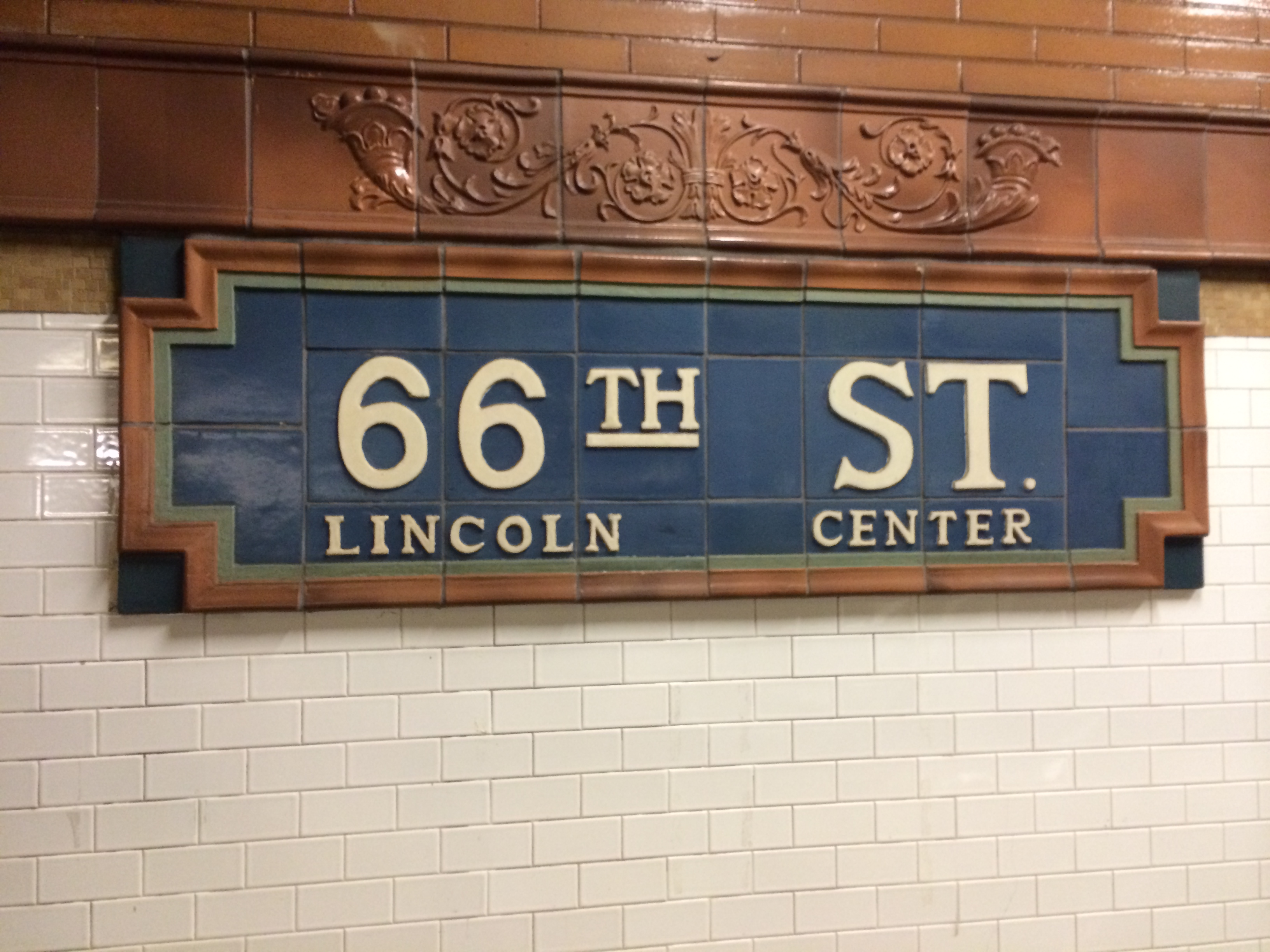
66th St-Lincoln Center Subway Station, NYC

2025-09-02 1 min read

November 5, 2013

This photo shows the distinctive tile mosaic for the 66th Street–Lincoln Center station, one of the original 28 stations of the New York City Subway, which opened in 1904. Located on the Upper West Side of Manhattan, this station serves as a gateway to one of the world’s most renowned performing arts venues, Lincoln Center. The station’s classic design, with its elegant terracotta frieze and iconic blue and white tilework, is a hallmark of the early IRT subway line’s aesthetic. The station is located at the intersection of 66th Street and Broadway.
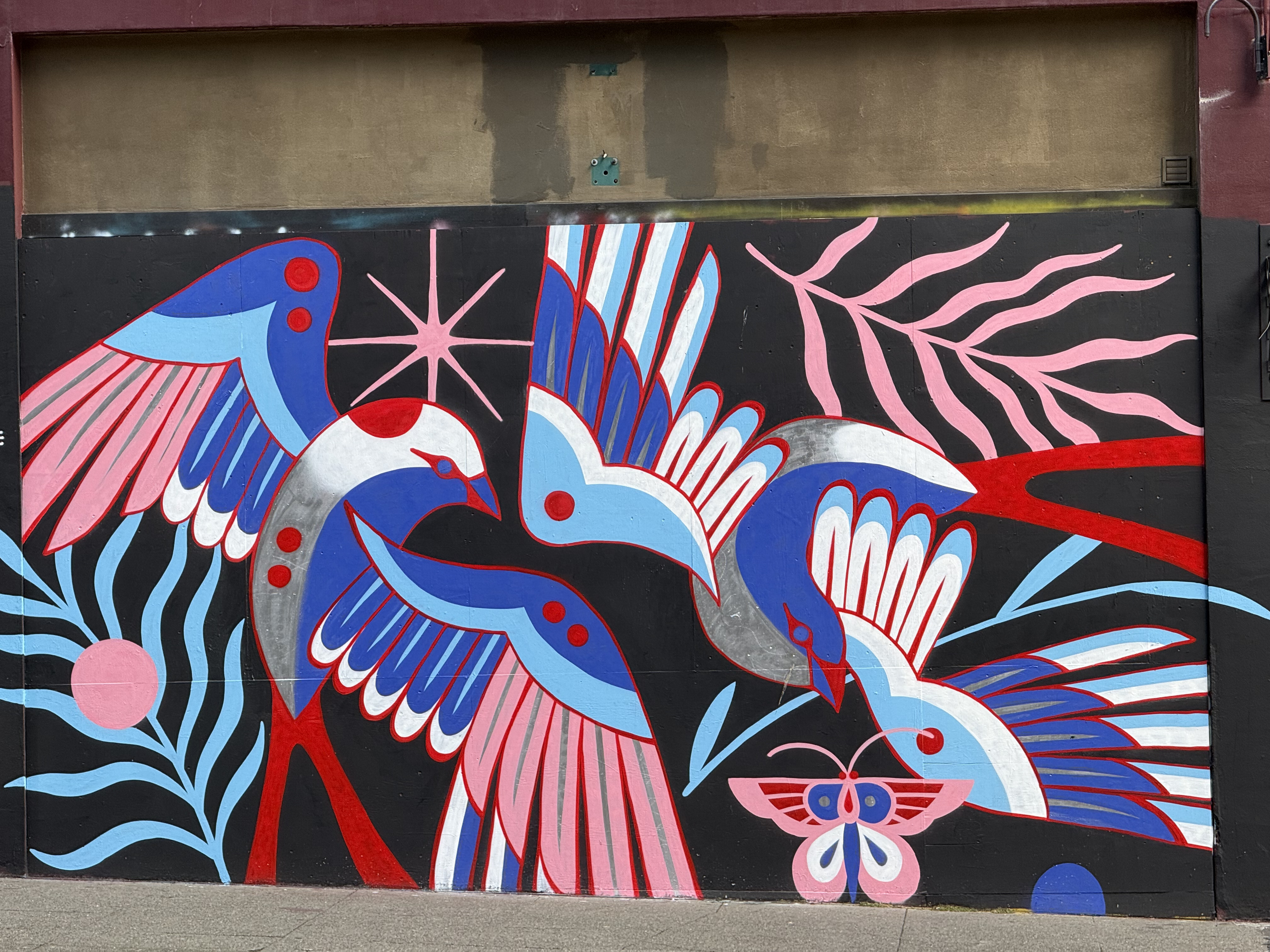
Mural, 2nd Ave, Seattle

2025-09-02 1 min read

August 6, 2025

Second Avenue near the Pike/Pine corridor, centered on 1521 2nd Avenue, a block from Pike Place Market. Murals and rotating street art have long animated this stretch—alley cut‑throughs, service doors, and construction walls becoming informal canvases between downtown and the market.

As nearby blocks evolved from low‑rise retail to high‑rise residential and hotel projects, the ad‑hoc art scene persisted, often tied to neighborhood events and artist collectives. Pieces come and go with the seasons, leaving behind a layered record of the corridor’s changing face and its creative undercurrent.

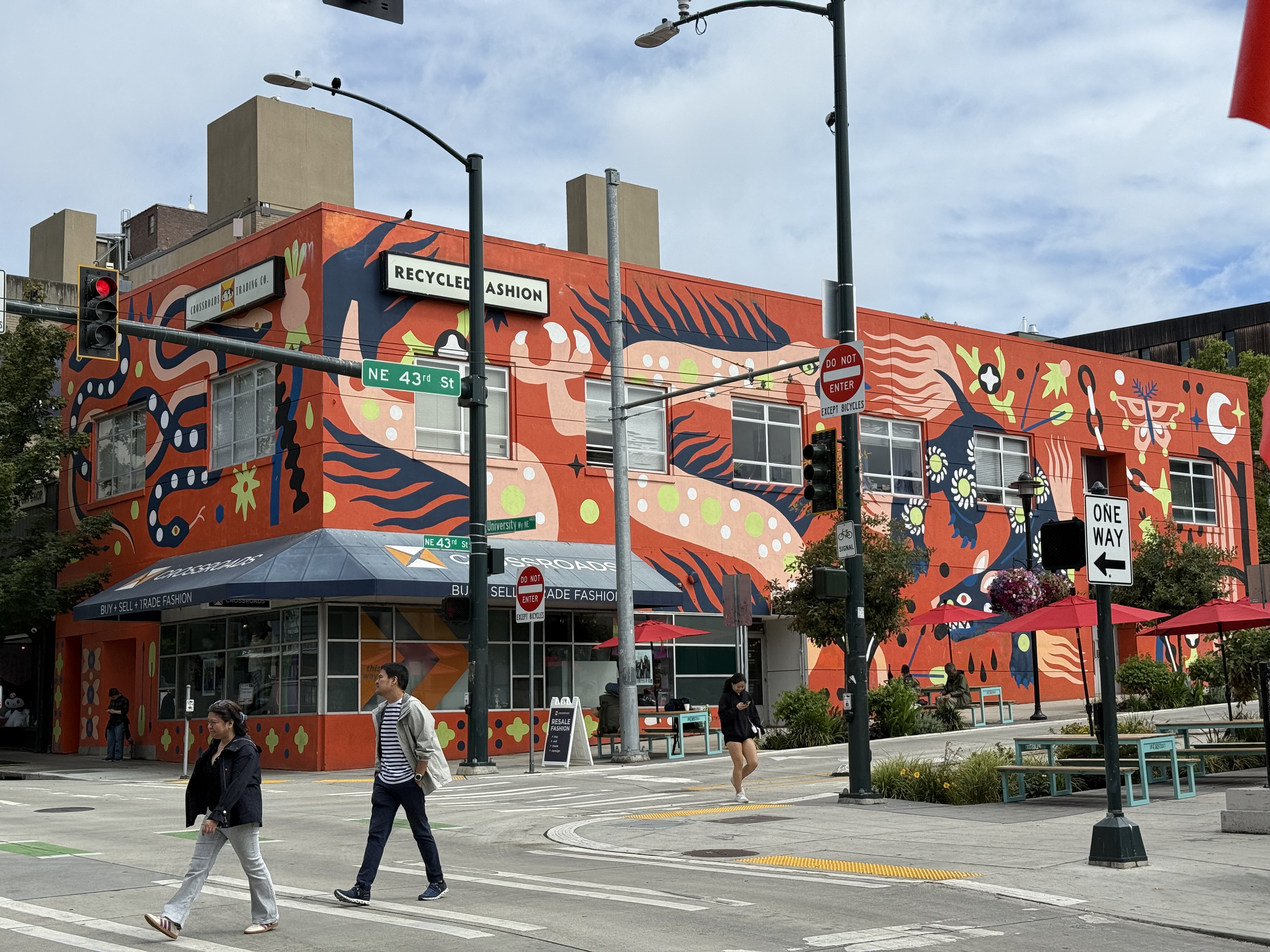
U District – Recycled Fashion Store mural

2025-09-02 1 min read

August 7, 2025

The University District’s main drag, “The Ave,” has long supported a rotating gallery of murals and hand‑painted storefronts—thrift and vintage shops especially—set alongside cafes, student bars, and record stores. This block looks toward the University Post Office (4244 University Way NE), an anchor for the corridor.

Growth around the University of Washington has periodically remade the strip: streetcar days, post‑war expansion, and most recently light rail, which brought new housing and foot traffic. Through it all, The Ave’s low‑rise storefronts have remained a canvas for neighborhood identity—murals refreshed by local artists as businesses change hands.

Seattle Belltown Roq La Rue Gallery

2025-08-18 1 min read

This photo shows the entrance to Roq La Rue Gallery during its time in Seattle’s Belltown neighborhood. Founded by Kirsten Anderson in 1998, Roq La Rue was a pioneering gallery that became internationally recognized for championing the burgeoning Pop Surrealism and Lowbrow art movements.

The gallery provided a crucial platform for a new generation of artists whose work was often countercultural, provocative, and informed by everything from street art and comics to tiki and Kustom Kulture. For years, its location at 2312 2nd Avenue in Belltown was a hub for this vibrant and accessible art scene, drawing crowds to its often-packed opening nights.

Over the years, Roq La Rue has moved to different locations, including Pioneer Square and its current home near the Olympic Sculpture Park, but its roots in Belltown mark a significant chapter in the history of Seattle’s alternative art world. It remains an influential force in contemporary art.