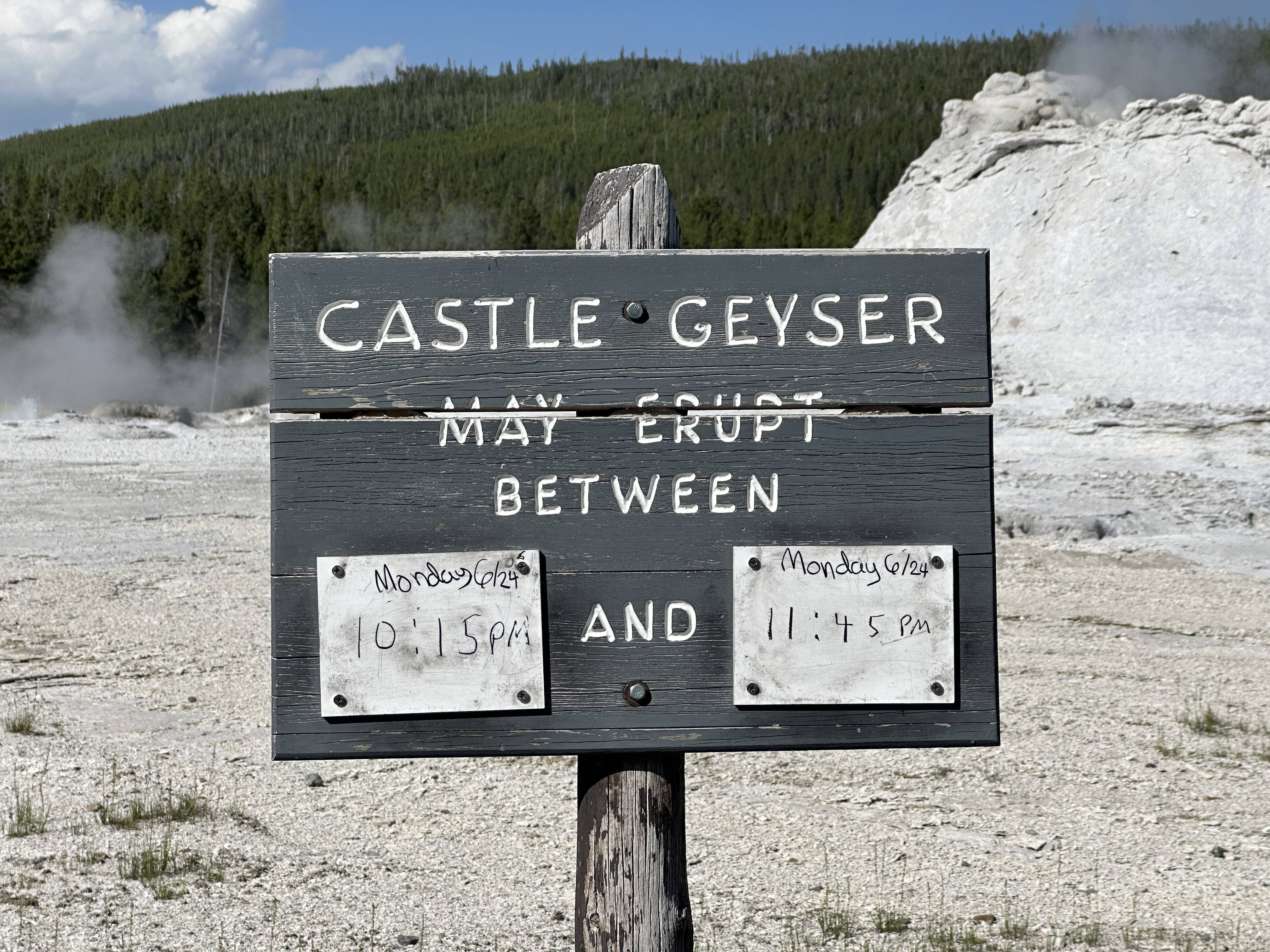
Castle Geyser Sign, Yellowstone National Park

2025-09-02 1 min read

June 24, 2024

This photo shows the prediction sign for Castle Geyser, one of the most famous geysers in Yellowstone National Park’s Upper Geyser Basin. Castle Geyser is renowned for its large, castle-like sinter cone and powerful eruptions that occur roughly every 10 to 14 hours.

The sign, with its classic National Park Service design, provides visitors with estimated eruption times, though the geyser can be unpredictable, as the handwritten note “may erupt between times” humorously suggests. This area, which includes other famous features like Old Faithful, is a testament to the dynamic geothermal activity that defines Yellowstone. The photo was taken near the geyser at this location in Yellowstone National Park.
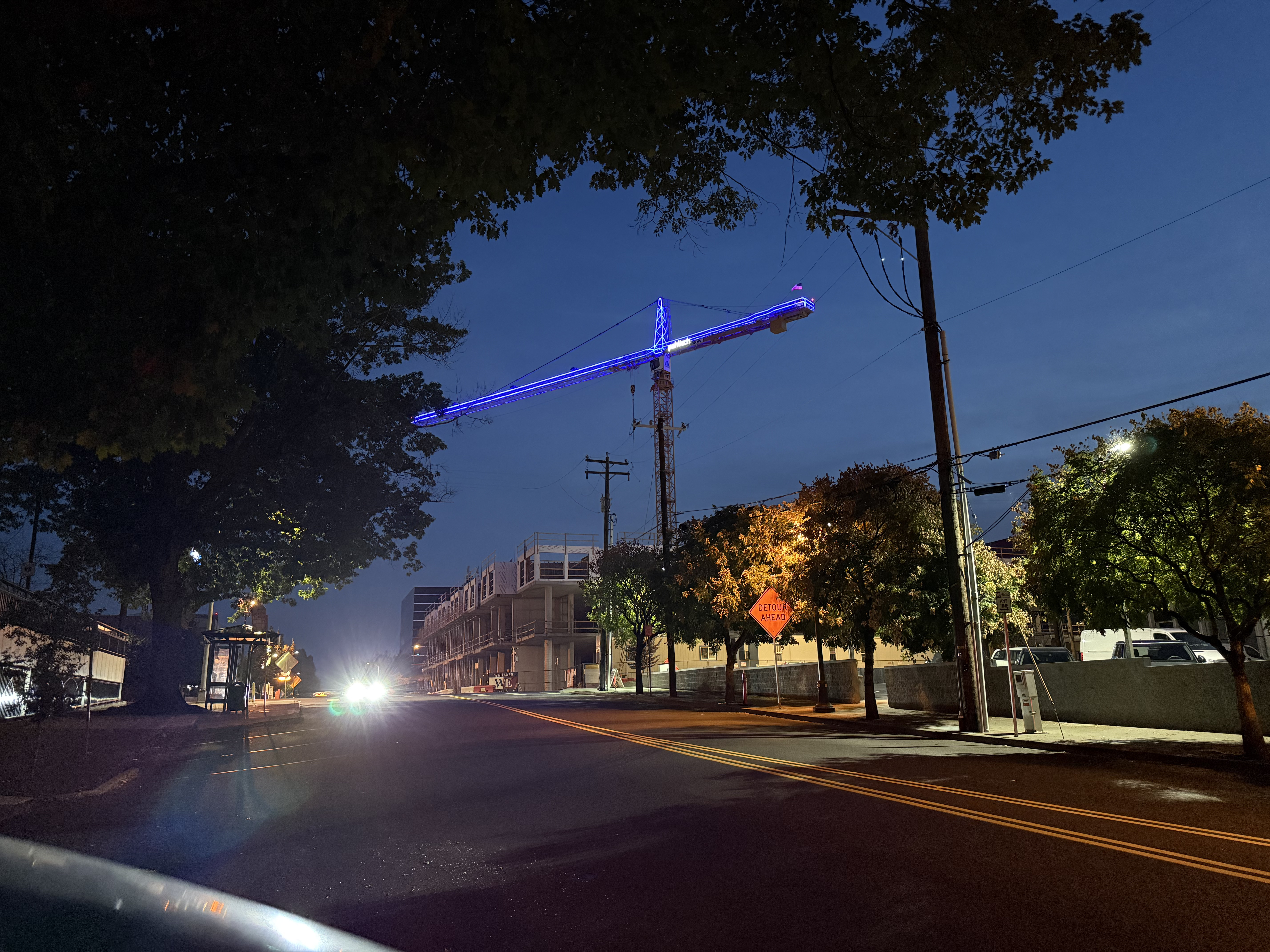
Vancouver – 1313 Main St, construction

2025-09-02 1 min read

August 28, 2025

Downtown Vancouver’s Esther Short district at 1313 Main St, a corridor that links the city’s historic core with the waterfront. The area has steadily infilled with mixed‑use housing and retail, replacing surface parking and low‑rise commercial buildings.

Centered on Esther Short Park—the oldest public square in Washington—the neighborhood’s renaissance accelerated in the 2000s–2010s with civic investment, independent restaurants, and the nearby Waterfront Vancouver project. Construction at 1313 Main reflects that momentum, as longtime institutions like iQ Credit Union share the street with new residential and storefront spaces.

The Alaskan Way Viaduct, Seattle

2025-09-01 1 min read

April 28, 2002

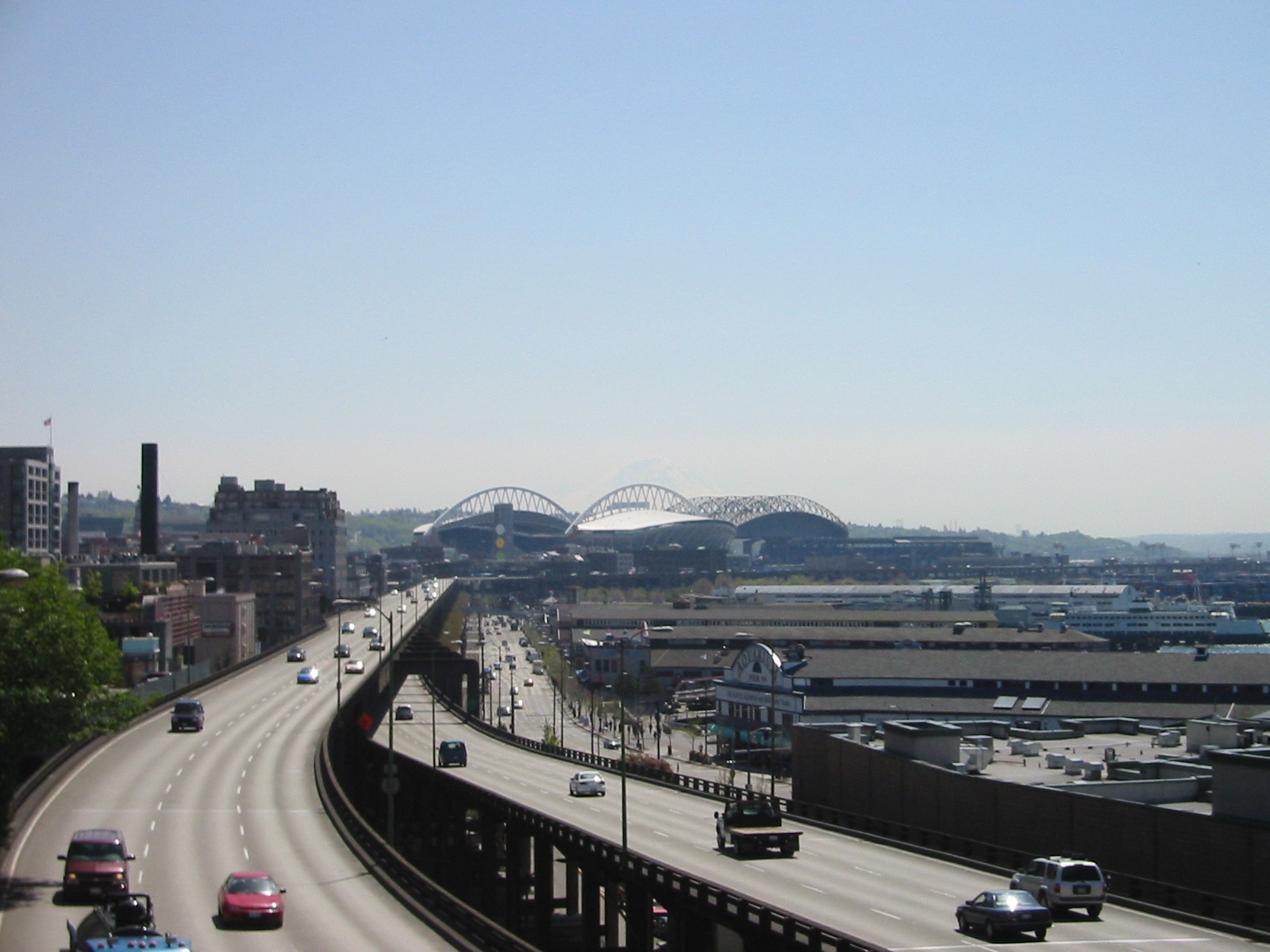
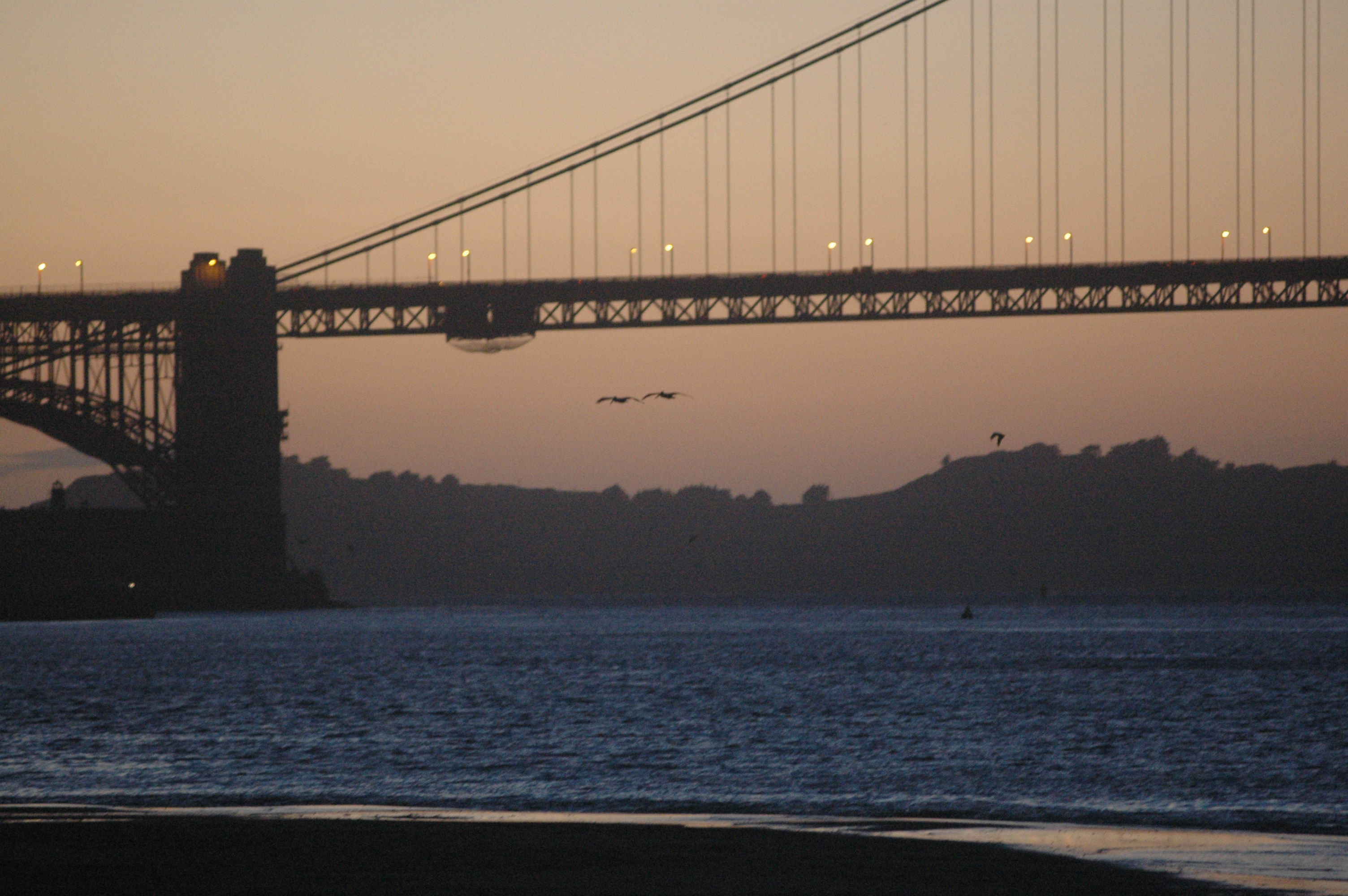
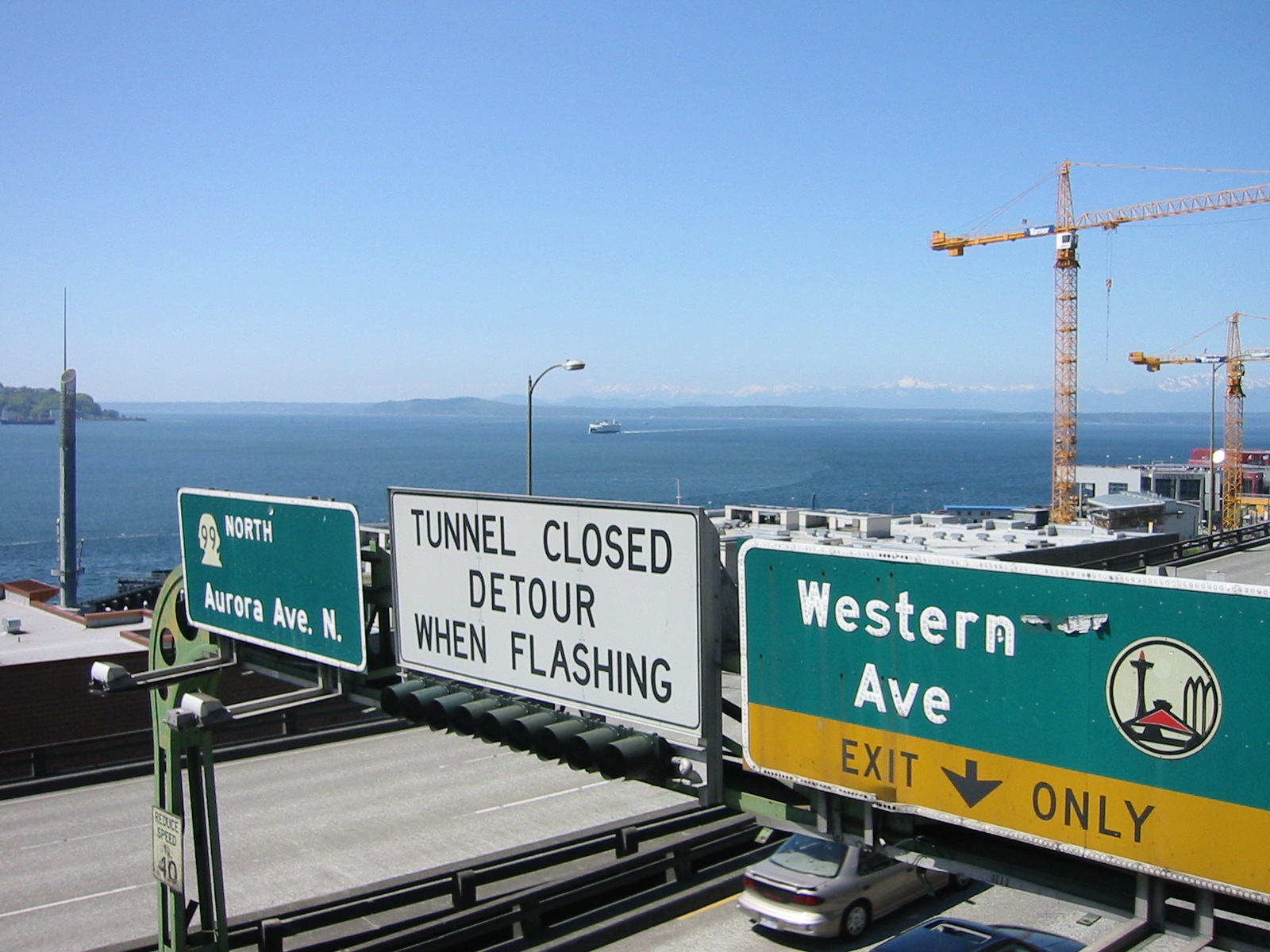
The Alaskan Way Viaduct from another angle

April 28, 2002

For over 65 years, the Alaskan Way Viaduct was a prominent and controversial feature of Seattle’s waterfront, running along Alaskan Way. Opened in 1953 as part of State Route 99, the elevated double-decker highway offered breathtaking views of Elliott Bay and the Olympic Mountains, but was also criticized as an eyesore that cut the city off from its shore.

After being damaged in the 2001 Nisqually earthquake, its seismic vulnerability became a major concern, and its fate was sealed. After years of public debate, the viaduct was permanently closed to traffic on January 11, 2019, and replaced by a two-mile-long tunnel that runs beneath downtown. Demolition of the iconic structure began shortly after and was completed in late 2019, forever changing the Seattle cityscape and opening up new public spaces and views.

Santa Cruz Roller Palladium

2025-08-15 1 min read

June 30, 2013

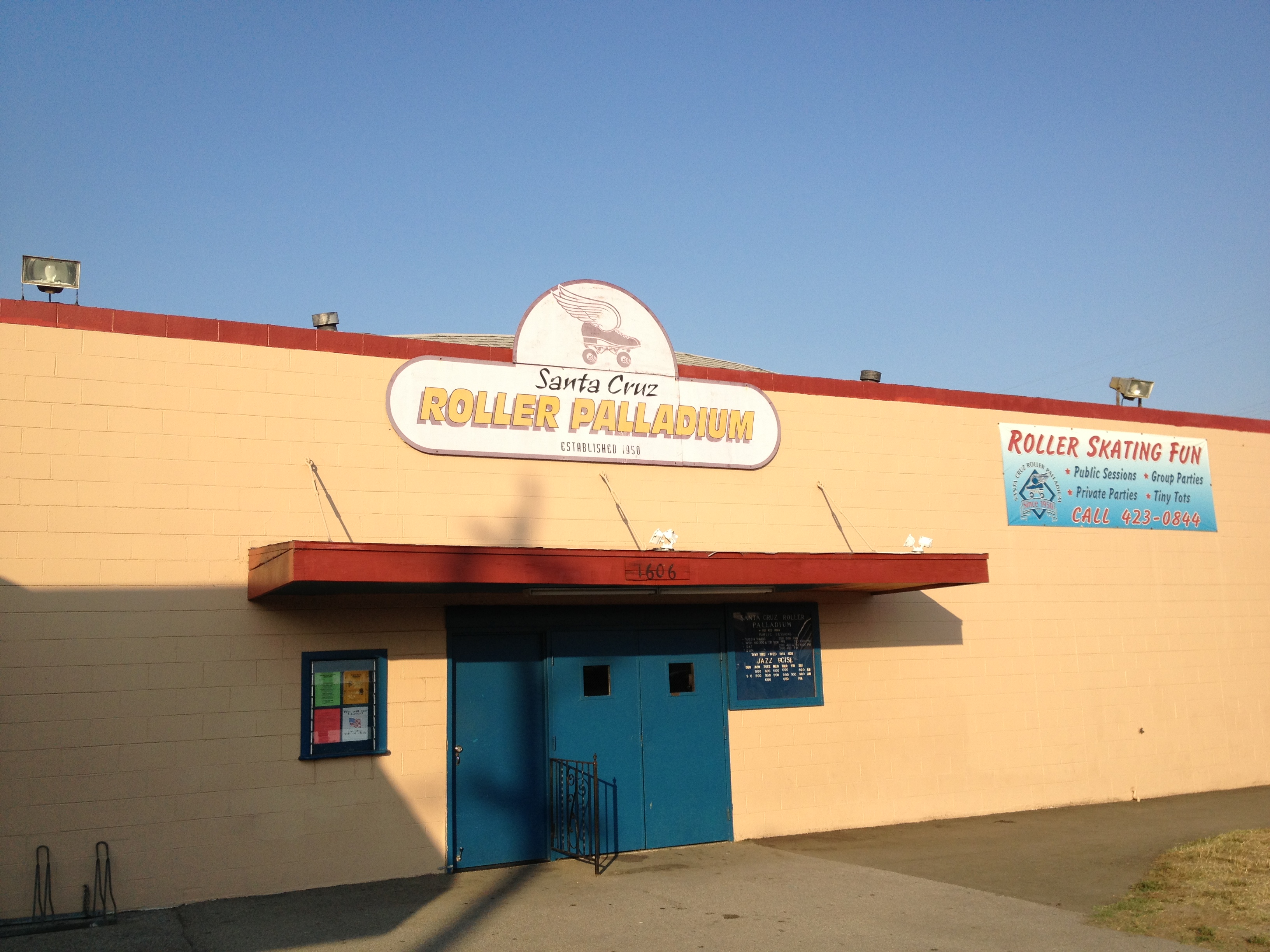
This photo shows the Santa Cruz Roller Palladium, a beloved and historic roller-skating rink located at 1606 Seabright Avenue. A true local institution, the Palladium had its grand opening on November 30, 1950, and has been a cherished part of the Santa Cruz community ever since.

Built by Denny and Heddy Sargeant, the rink is famous for its original maple wood floor, which has provided a smooth glide for generations of skaters. With its vintage atmosphere, disco lights, and classic arcade games, the Palladium offers a fun and nostalgic experience for people of all ages, from public skating sessions to private parties.

For over 70 years, the Santa Cruz Roller Palladium has remained a family-friendly destination and a wonderful piece of living history in the Seabright neighborhood.

Saab 96 Car in Garage

2025-08-13 1 min read

June 4, 2018

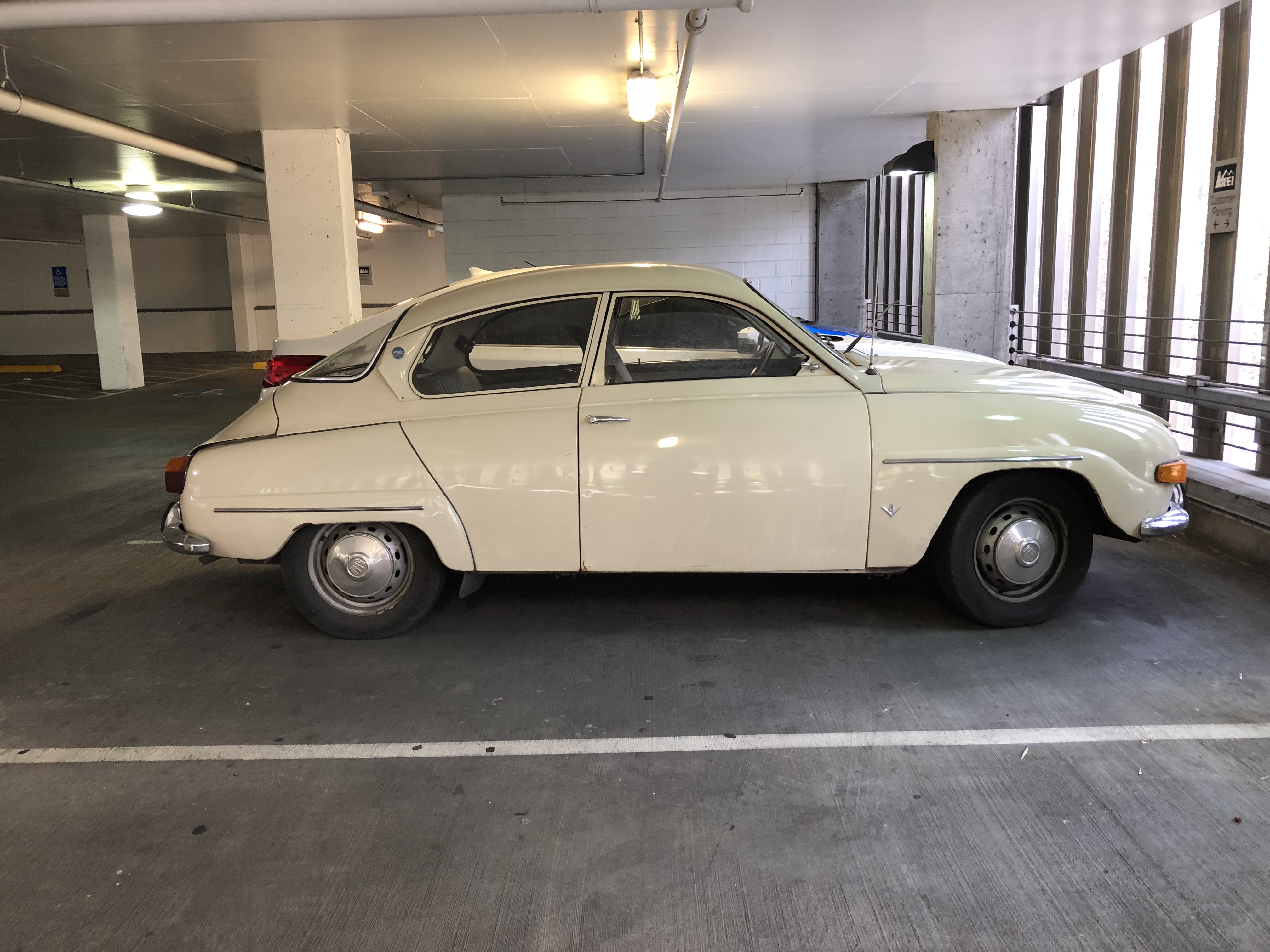
This photo captures a vintage Saab 96, a classic car known for its distinctive and aerodynamic teardrop shape. Produced by the Swedish automaker from 1960 to 1980, the Saab 96 is a true icon of automotive design and engineering.

Early models were famous for their two-stroke engines, which gave them a unique sound and a reputation for punching above their weight, especially in the world of rally racing. With legendary driver Erik Carlsson behind the wheel, the Saab 96 achieved numerous victories in the 1960s. Later models, like the one likely pictured here with its longer front end, were equipped with a more conventional Ford V4 engine.

Beyond its quirky looks and rallying success, the Saab 96 was also known for its safety innovations and robust construction. This particular car was spotted in Portland, Oregon near NW 23rd Ave.

Pink Elephant Car Wash Seattle

2025-08-10 1 min read

April 26, 2002

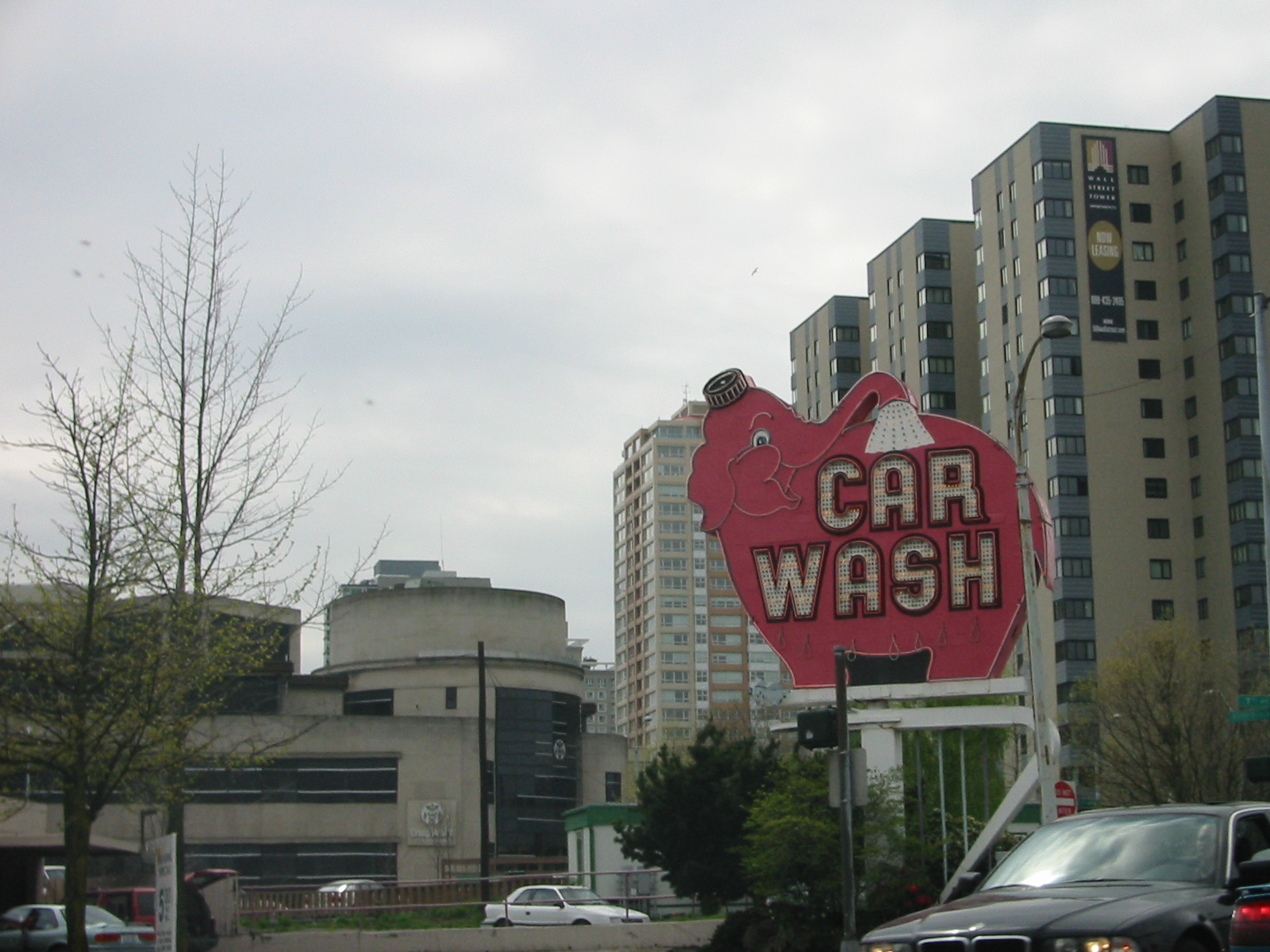
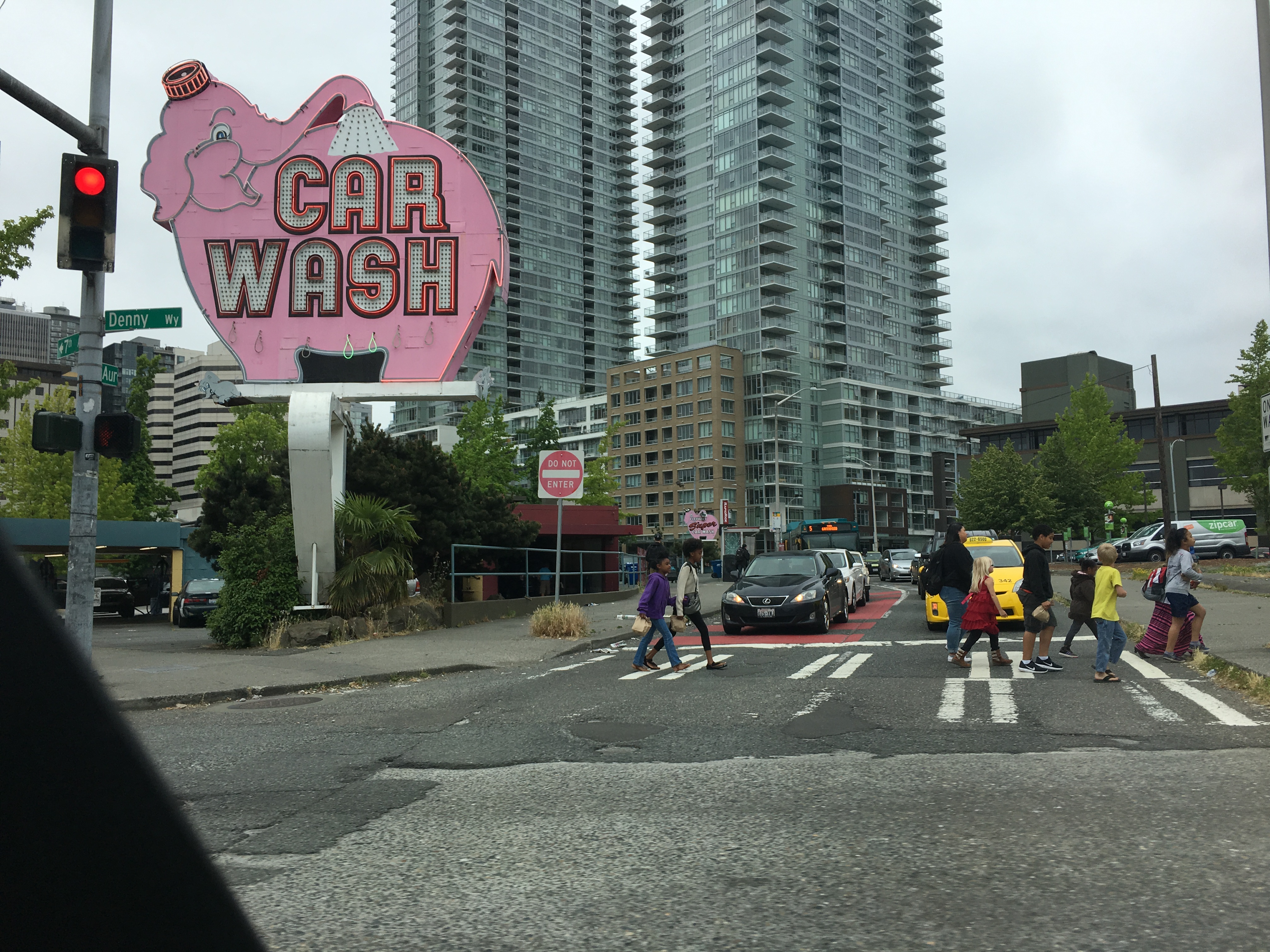
Pink Elephant Car Wash, Denny Way view

July 3, 2017

This photo features the famous rotating sign of the Pink Elephant Car Wash, a beloved and iconic Seattle institution for generations. The first Elephant Car Wash was opened by the Anderson brothers in 1951, but it was the giant, cheerful, pink neon elephant sign, designed by Beatrice Haverfield and installed in 1956 at the Denny Way location, that became a true city landmark.

For decades, the whimsical, spinning elephant was a familiar and delightful sight for Seattleites, especially for children who were mesmerized by it from the back seat of the family car. The sign became so cherished that when the Denny Way location closed in 2020, there was a successful public campaign to preserve it. The sign was declared a city landmark and was donated to Seattle’s Museum of History & Industry (MOHAI) to be displayed as part of its neon collection.

While the original location is gone, the Pink Elephant Car Wash continues to operate at other locations, and its iconic sign remains a symbol of mid-century charm and a treasured piece of Seattle history. The Denny Way sign stood at 301 Denny Way.

Older posts